
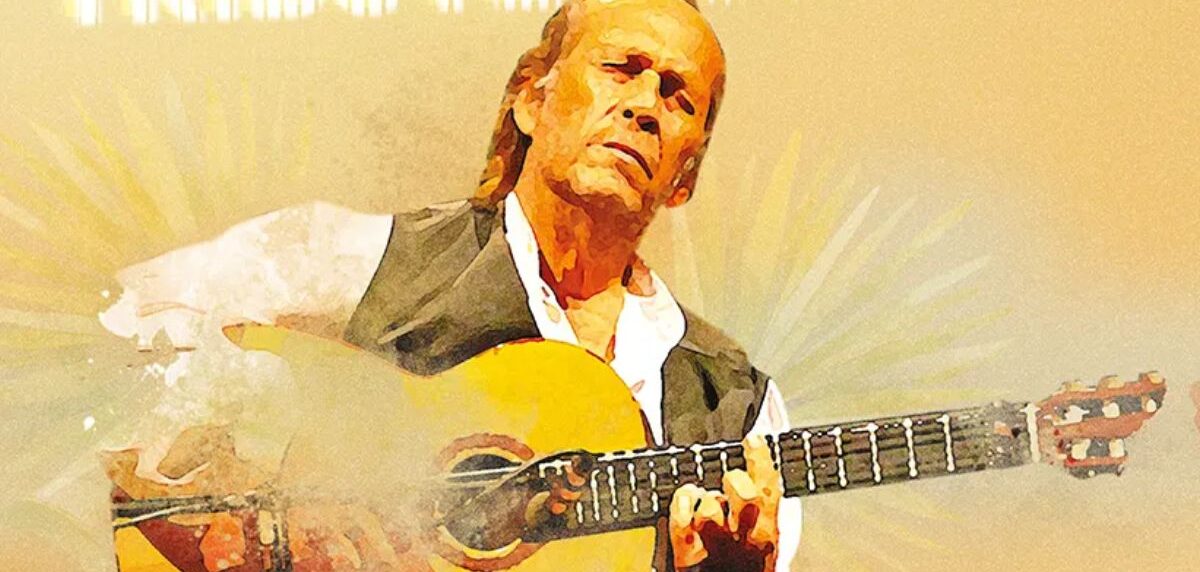
Paco de Lucía: The Legendary Flamenco Guitar Virtuoso 🎸
Few names resonate in the world of music as strongly as Paco de Lucía. Born Francisco Gustavo Sánchez Gómez on December 21, 1947, in Algeciras, Spain, he would go on to transform flamenco guitar forever, earning a place among the greatest guitarists in history. 🎶✨
Early Life: A Musical Prodigy 🌟
Paco grew up in a family of musicians. His father, Antonio Sánchez, was a guitarist and singer who introduced him to the rich traditions of flamenco from an early age. By the time he was 12, Paco was already performing publicly, impressing audiences with his extraordinary technique and deep understanding of flamenco rhythm.
He quickly became known for his precision, speed, and ability to express deep emotion through his instrument—a hallmark of flamenco music. His childhood was immersed in guitar, singing, and dancing, giving him a holistic understanding of flamenco culture.
Revolutionary Flamenco Guitar 🎸💥
While traditional flamenco focused heavily on accompaniment for singers and dancers, Paco de Lucía expanded the guitar’s role. He made it a solo instrument capable of complex harmonies, improvisation, and jazz-influenced melodies.
Some of his groundbreaking contributions include:
- Blending Flamenco with Jazz: Collaborations with jazz guitarist John McLaughlin and others brought flamenco to global audiences. 🌍
- Innovative Techniques: He introduced novel fingering methods, faster rasgueados (strumming patterns), and dynamic solo compositions.
- Fusion of Styles: Paco wasn’t afraid to incorporate classical, Latin, and even Brazilian influences into flamenco, making his music universally appealing. 🎵




Iconic Works & Albums 🎶
Paco de Lucía’s discography is vast, but some highlights include:
- “Entre Dos Aguas” (1973): Perhaps his most famous piece, a flamenco rumba that became a worldwide hit. 🏆
- “Almoraima” (1976): Showcased his mastery of rhythm, melody, and flamenco tradition.
- Collaborations with Camarón de la Isla: Together, they redefined flamenco singing and guitar accompaniment. Their albums, like “La Leyenda del Tiempo”, remain legendary. 🌹
Influence and Legacy 🌍🎸
Paco de Lucía’s influence cannot be overstated:
- Inspiring Generations: Guitarists across flamenco, jazz, and classical music cite him as a key influence.
- Global Recognition: He performed in major venues worldwide, bringing flamenco to new audiences in Europe, the Americas, and Asia.
- Awards: Paco won multiple Grammy Awards and numerous Spanish honors for his contribution to music. 🏅
His artistry wasn’t just technical; it was deeply emotional. Fans often describe listening to Paco as a spiritual experience, where each note tells a story of passion, struggle, and beauty.
Personal Life & Passing 🌹
Despite his fame, Paco de Lucía remained deeply connected to his Andalusian roots. He continued to live in Spain, often returning to Algeciras.
He passed away on February 25, 2014, leaving behind an immortal legacy. Even after his death, his music continues to inspire new generations of musicians and flamenco lovers worldwide.
Why Paco de Lucía Matters Today 💫
In a world of constantly changing music trends, Paco de Lucía’s work remains timeless. His innovation, technical mastery, and deep respect for tradition make him not just a flamenco legend but a global guitar icon. 🎸🌎
Whether you’re a flamenco aficionado or a casual listener, exploring Paco de Lucía’s music is like taking a journey through the soul of Spain—filled with emotion, rhythm, and pure genius.
✨ Fun fact: Many guitarists say you can feel Paco’s presence in every flamenco performance today—his influence is literally woven into the strings of modern flamenco! 🎶
🔗 Helpful Related Posts:
Superprof Apprentus

Leave your comment